
Story by:
Photos by: Chris McConnell
A core piece of the 7th grade curriculum happens well outside the classroom. Students spend weeks preparing for Downtown Tulsa Studies, a hands-on, immersive lesson that combines lessons from all of their classes.
But the emphasis has expanded.
“Given the changes in curriculum, combined with new faculty on the 7th grade team, we felt it was prudent to take a fresh look at what we were teaching now to see how it relates to the core of what had been implemented in previous Downtown Tulsa Studies iterations,” said social studies teacher Ryon Stirling.
With an emphasis on civics and government in Social Studies, the 7th-graders study an “essential unit” on civil rights in America, he said.
And one of the biggest lessons in the unit happened just a few miles from campus.
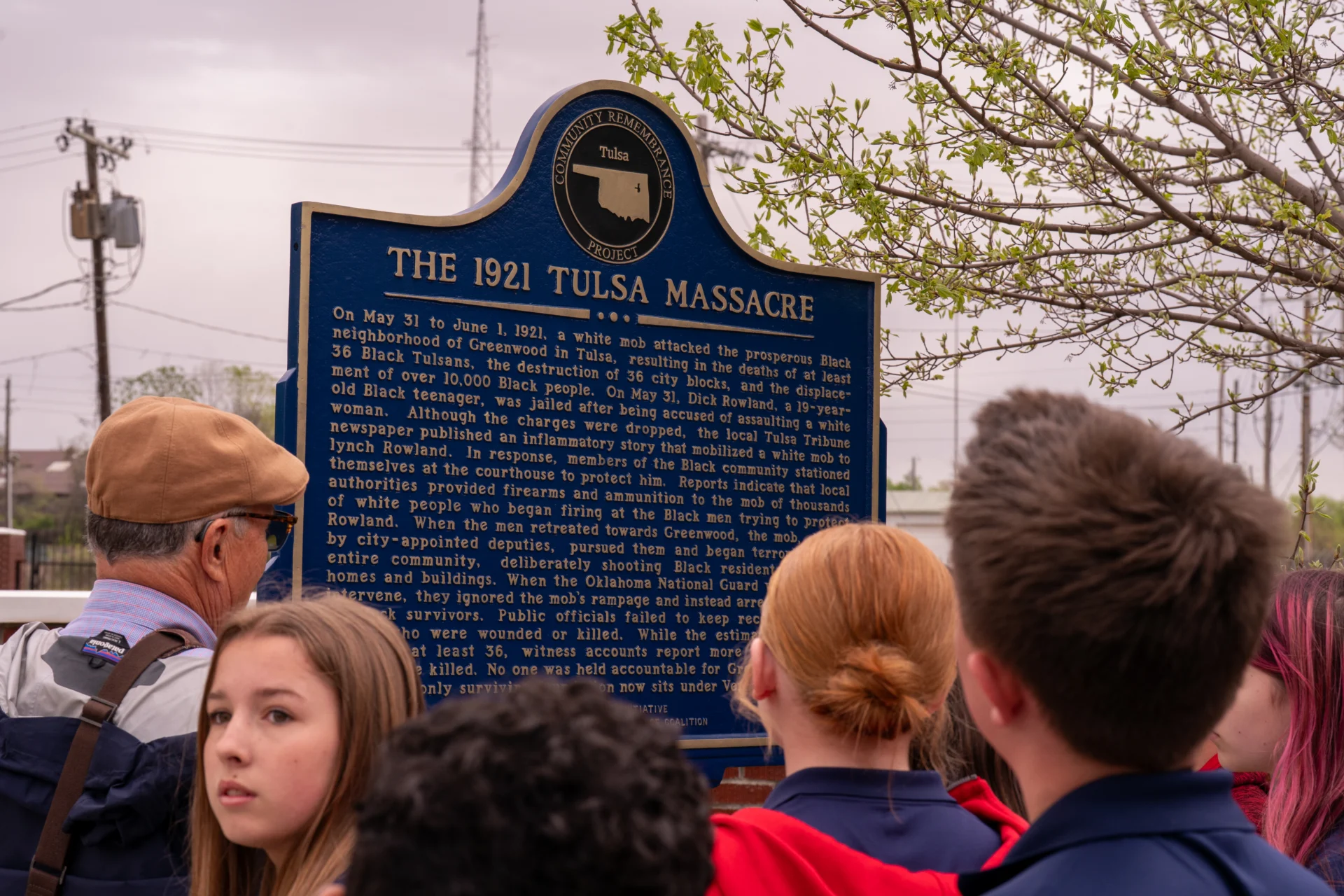
From the students’ first lessons about court decisions including Dred Scott v. Sandford, and the post civil war Constitutional amendments that outlawed slavery, expanded citizenship and gave voting rights to Black males, they learn about segregation, Jim Crow laws, Black Wall Street, and the Tulsa Race Massacre.
“This unit logically dovetails well with the story of Greenwood,” Stirling said.
Students learn about O.W. Gurley and J.B. Straford, who helped develop the Greenwood District, which was known as “Black Wall Street,” a prosperous Black business district with grocery stores, barber shops, tailors, hotels, theaters, schools, and churches.
And then they learn about the spark that ignited an event that resulted in scores of deaths and the destruction of a culture.
They read “Dreamland Burning,” a fictional account of the Massacre, in their literature class and “Across the Tracks,” along with other historical documents in social studies to get a better understanding of what happened in Greenwood.
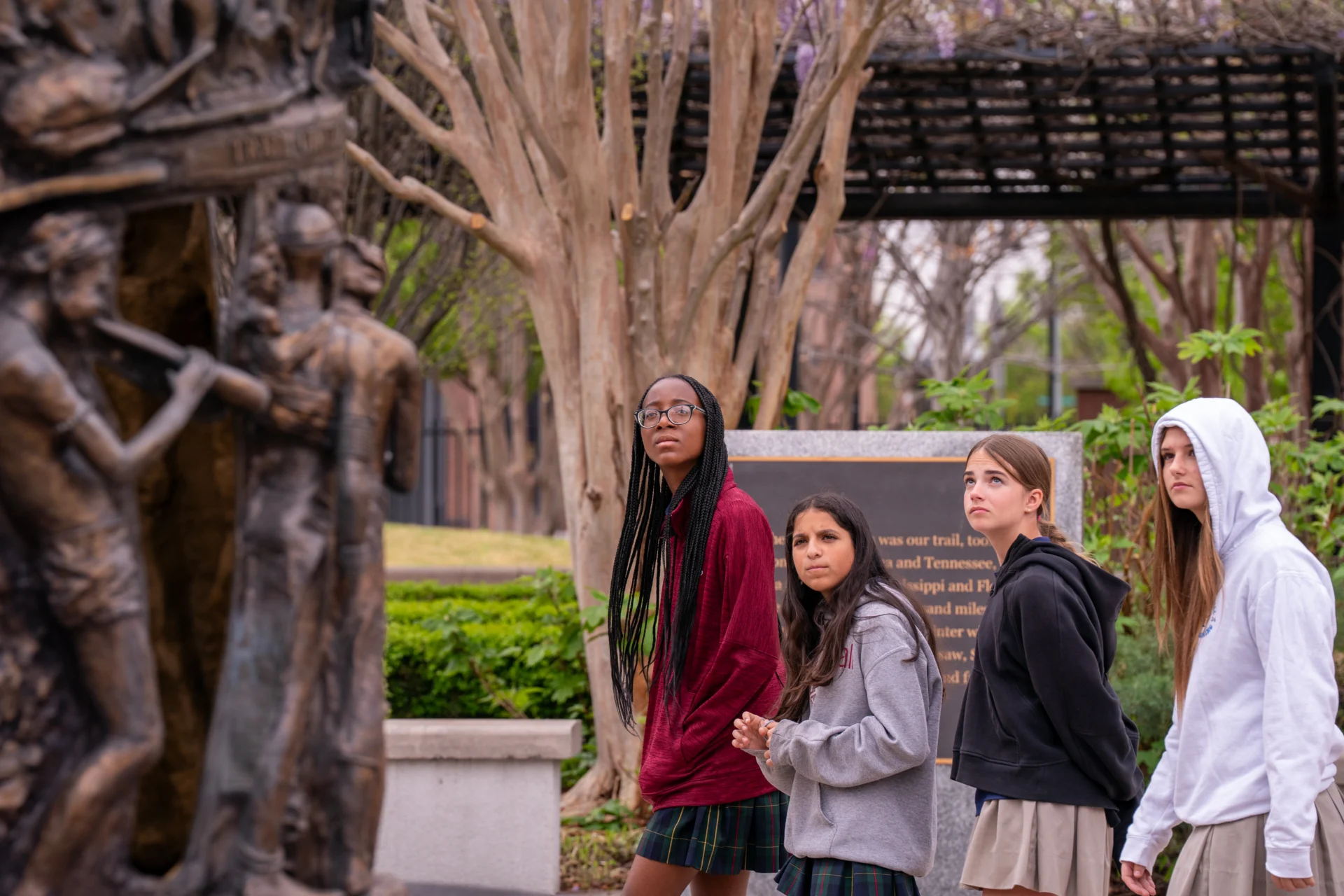
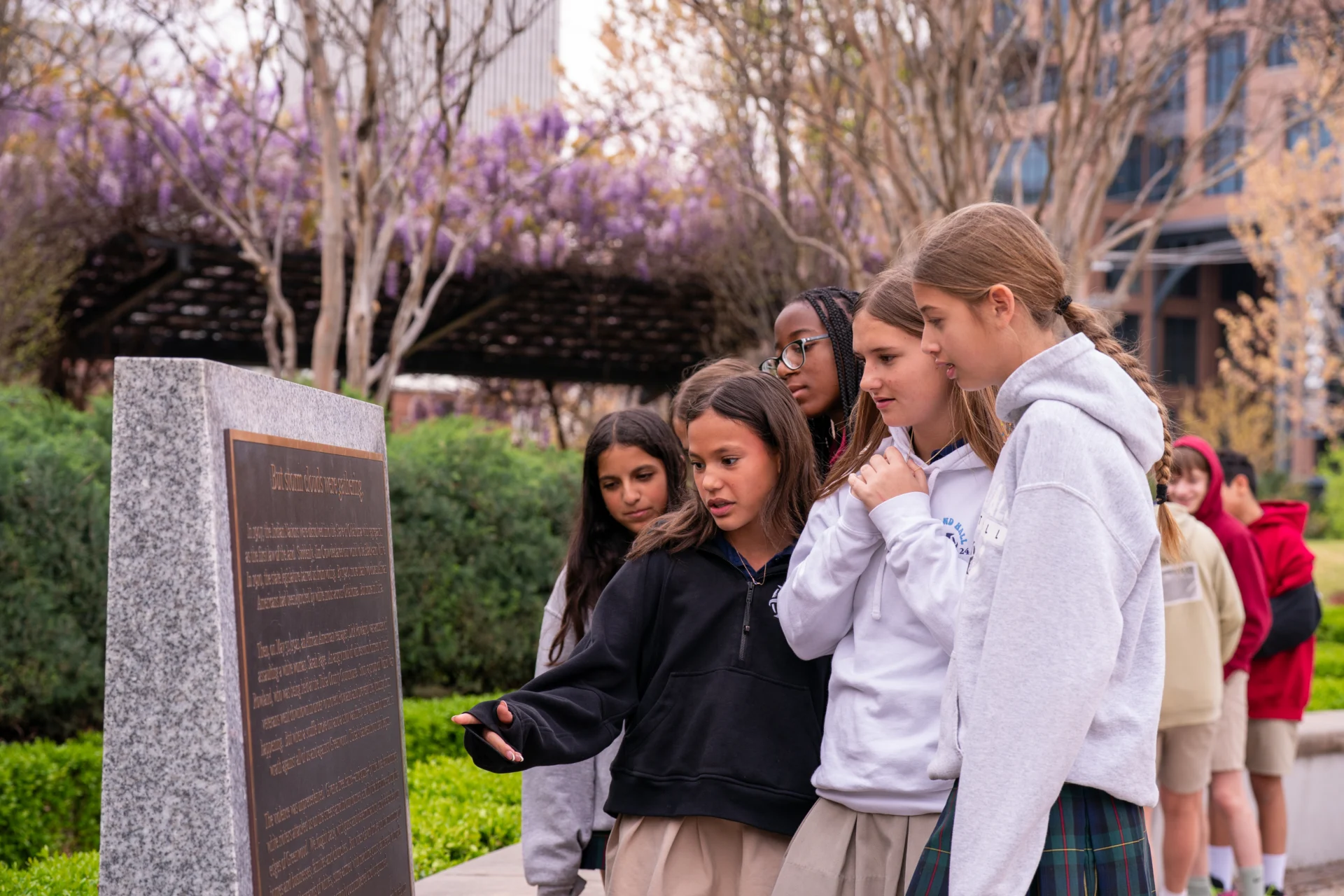
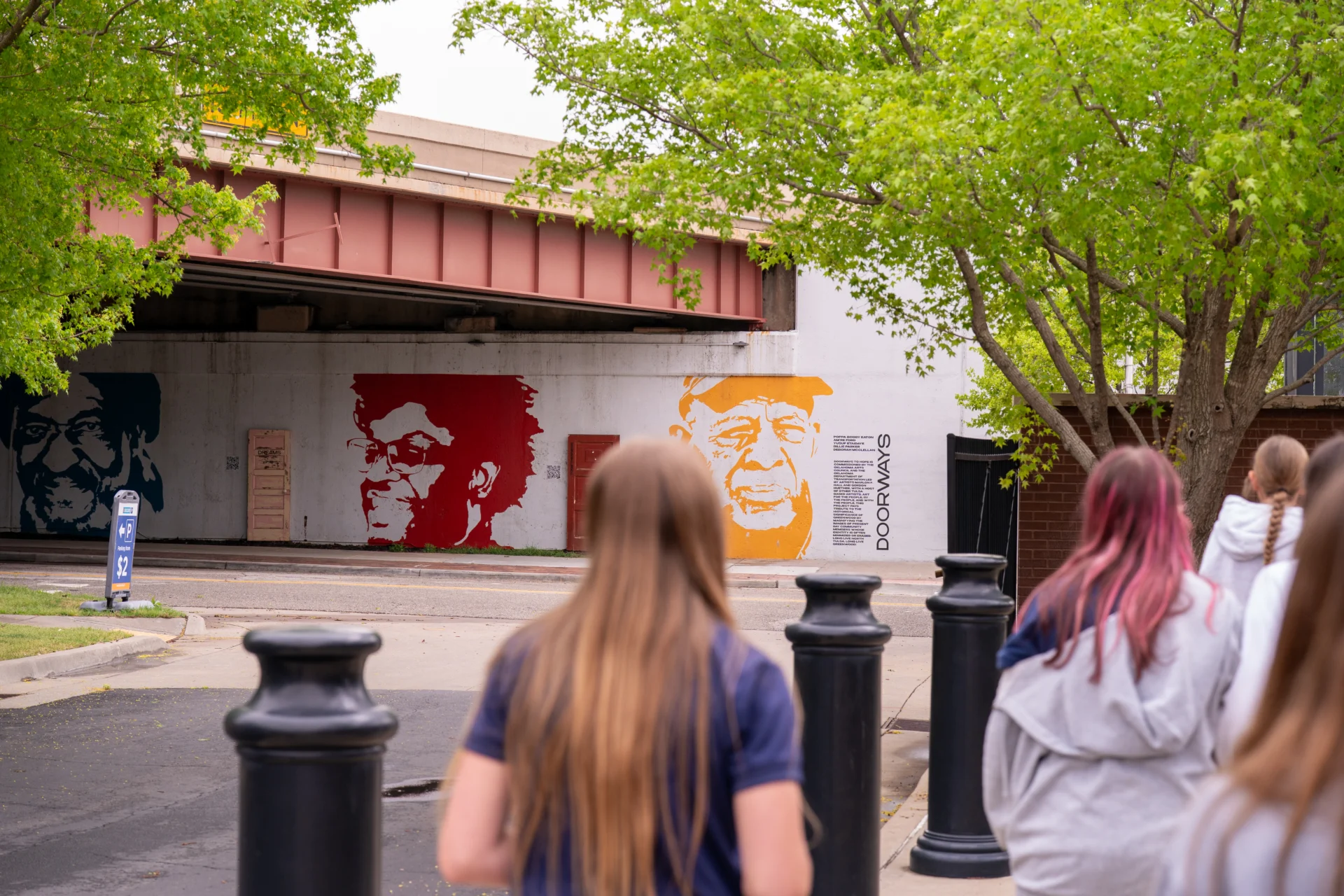
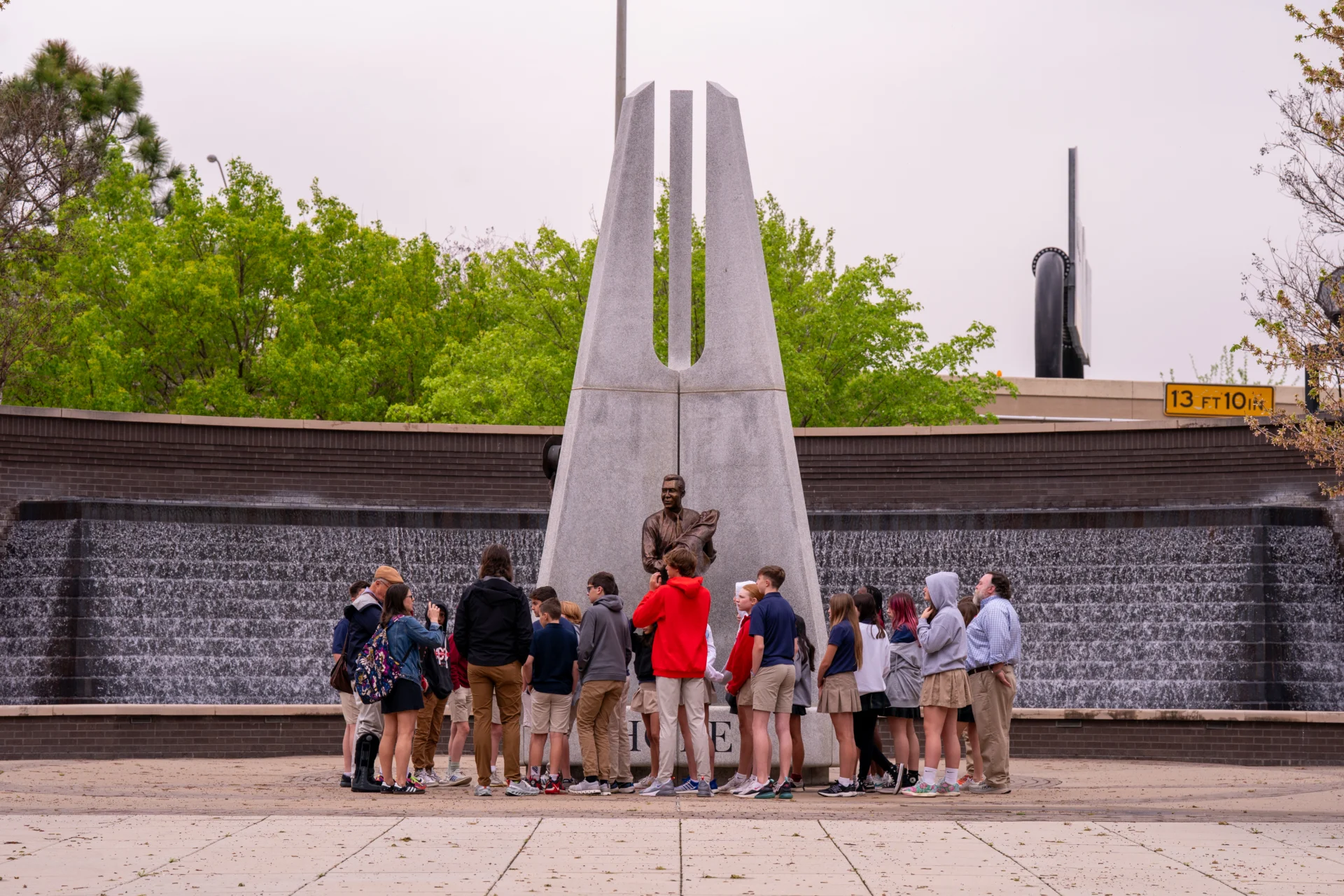
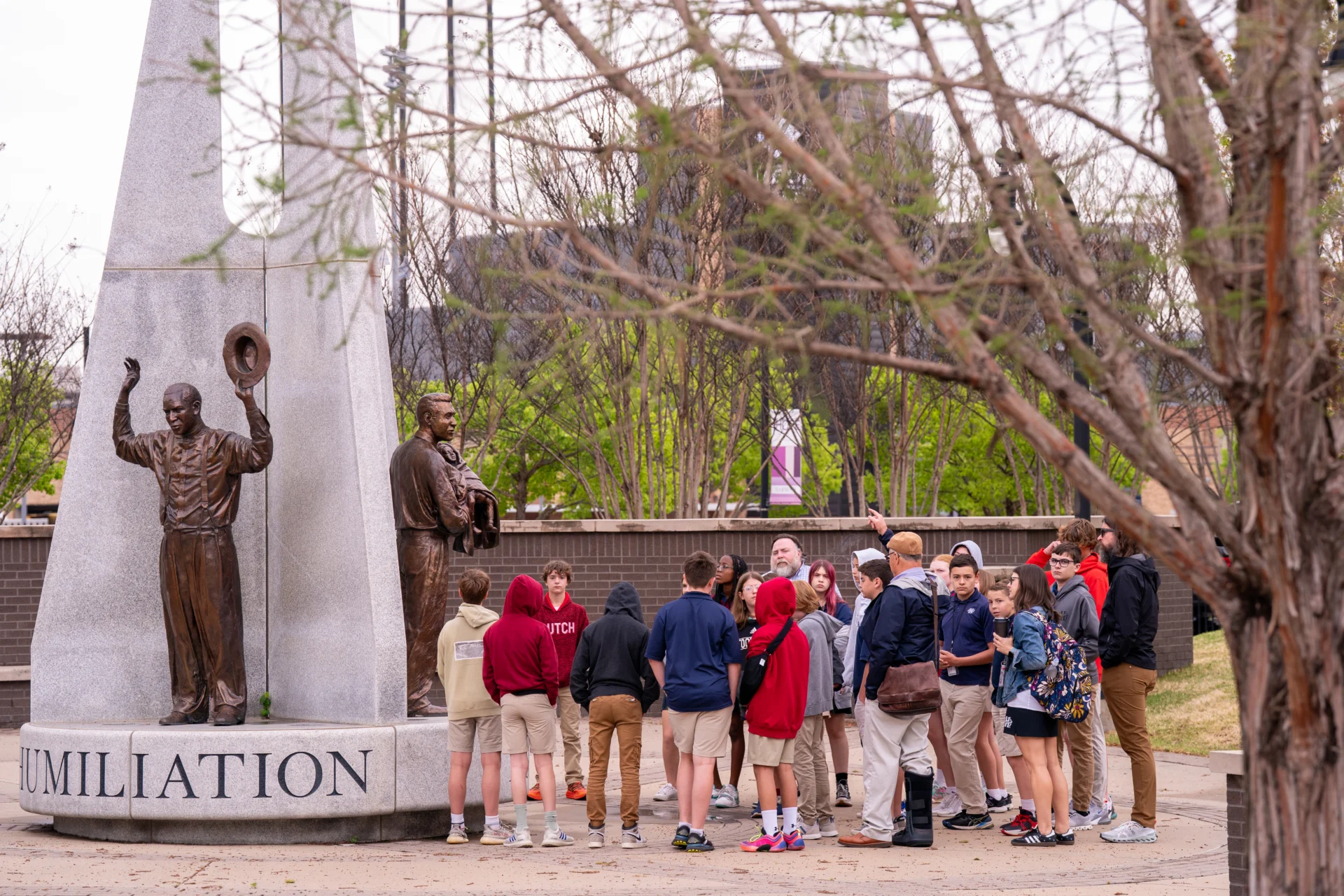
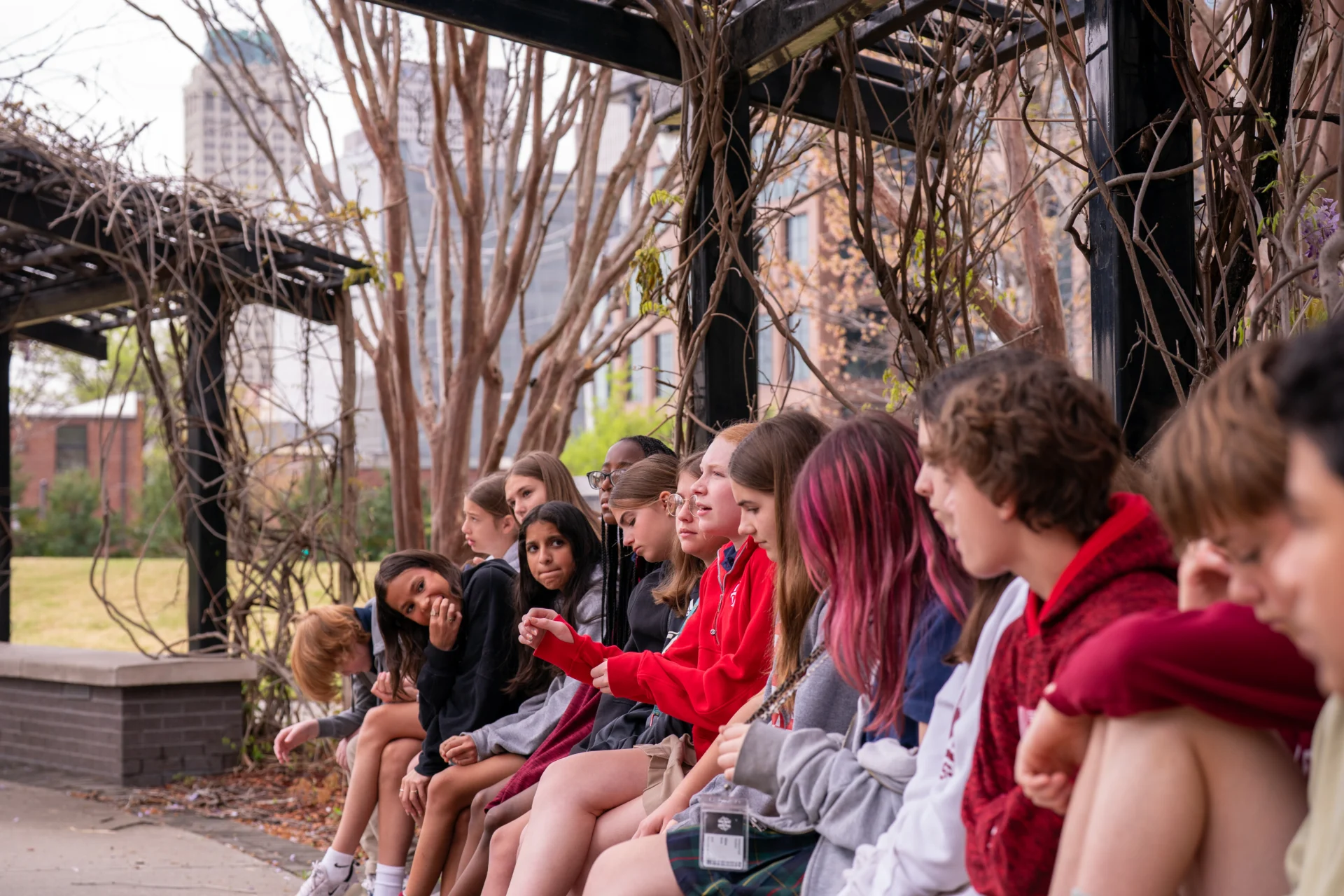
“The weeks surrounding spring break, we took a third of the 7th grade class on three consecutive Wednesdays to John Hope Franklin Reconciliation Park for a docent-led tour of both the park and part of the surrounding district; better appreciating the neighborhood, as it was then, and comparing it to now. Then lunch at Guthrie Green. Followed by a powerful and captivating tour of Greenwood Rising,” he said.
The students then take what they’ve learned and create an in-depth project with stories, headlines, drawings and photos that are displayed for the rest of the year in the library.
For 7th-grader Alex Hanna, he had a vague idea about the history of his hometown.
“I just knew that it was the biggest, thriving Black community in the world at that time,” he said. “But I was still so surprised on how it just all went down in like 12 hours. It was there, and then it was just gone.”
One particularly violent image from the museum stuck with Hanna long after the unit was over.
“It’s such a big part of our history,” he said. “It should just never stop being talked about.”

Click the menu item to navigate to this page