Explore Middle School
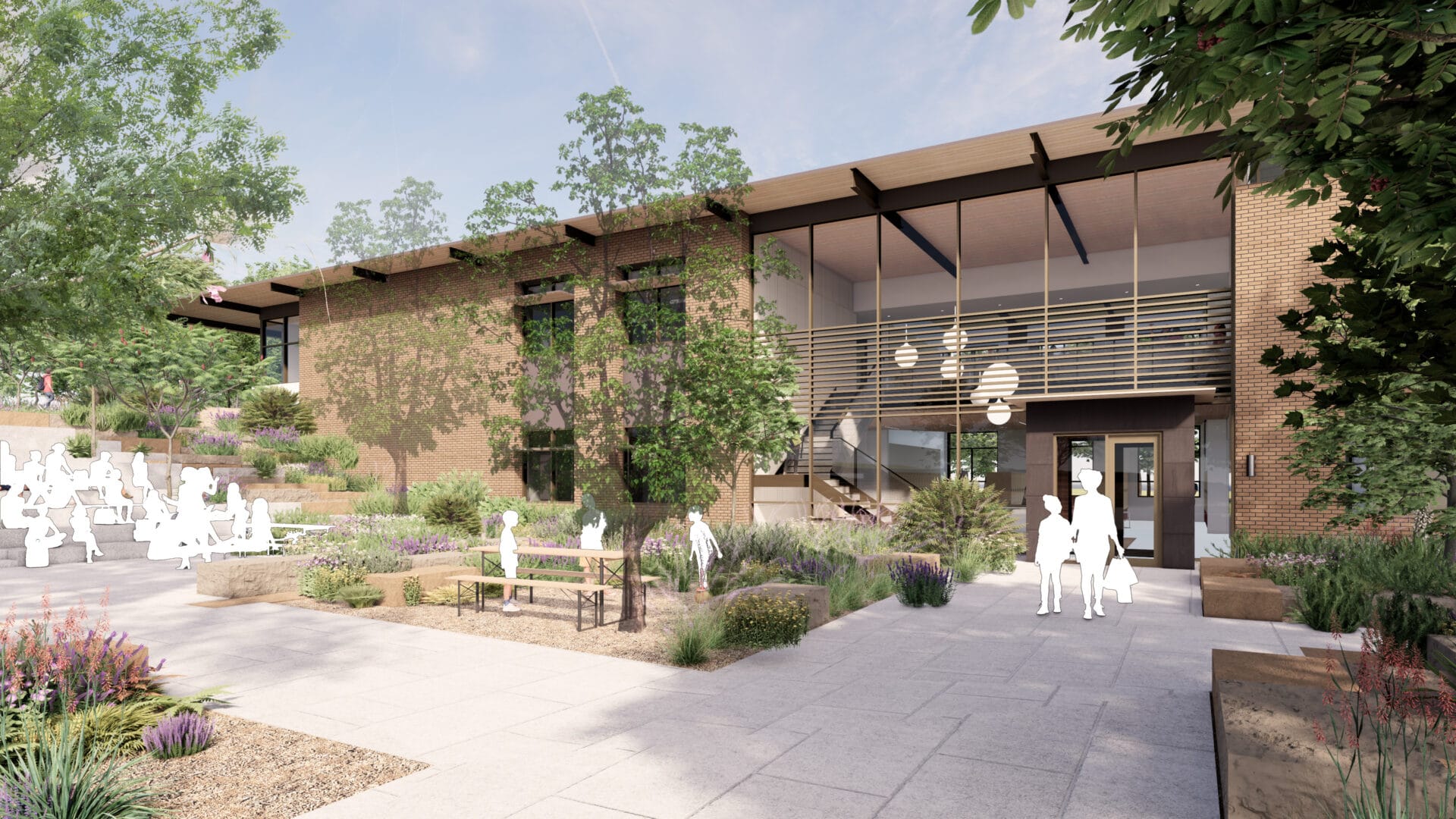
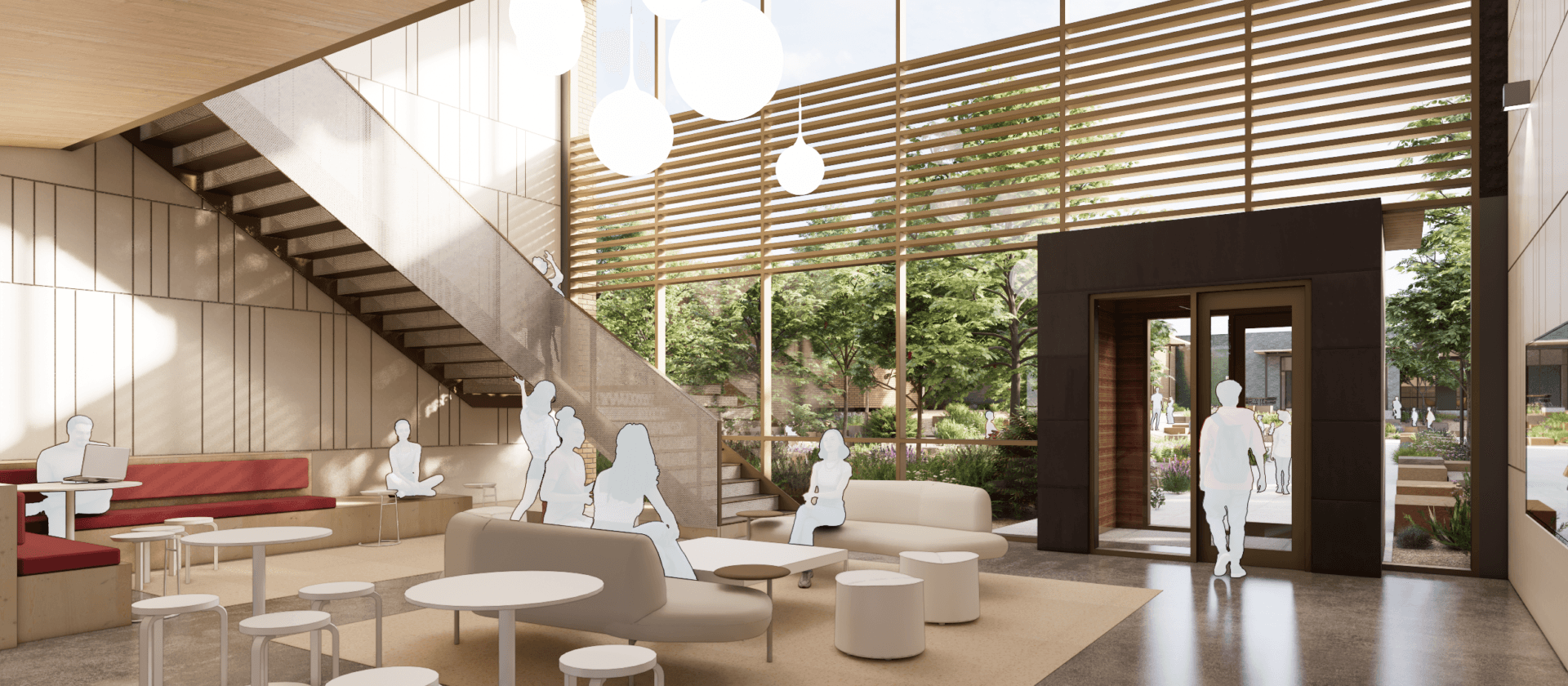
Holland Hall’s Middle School is transforming. Construction started in 2025 on a reimagined building for the 4th-6th grades, and a new two-story facility for 7th and 8th grades. Scheduled for completion in 2027, the new H.A. Chapman Middle School will feature state-of-the-art technology and a thoughtful design focused on the latest middle school brain research. Students are currently learning in a modular “Middle School Village,” with large classrooms and offices, while also using other buildings on campus.
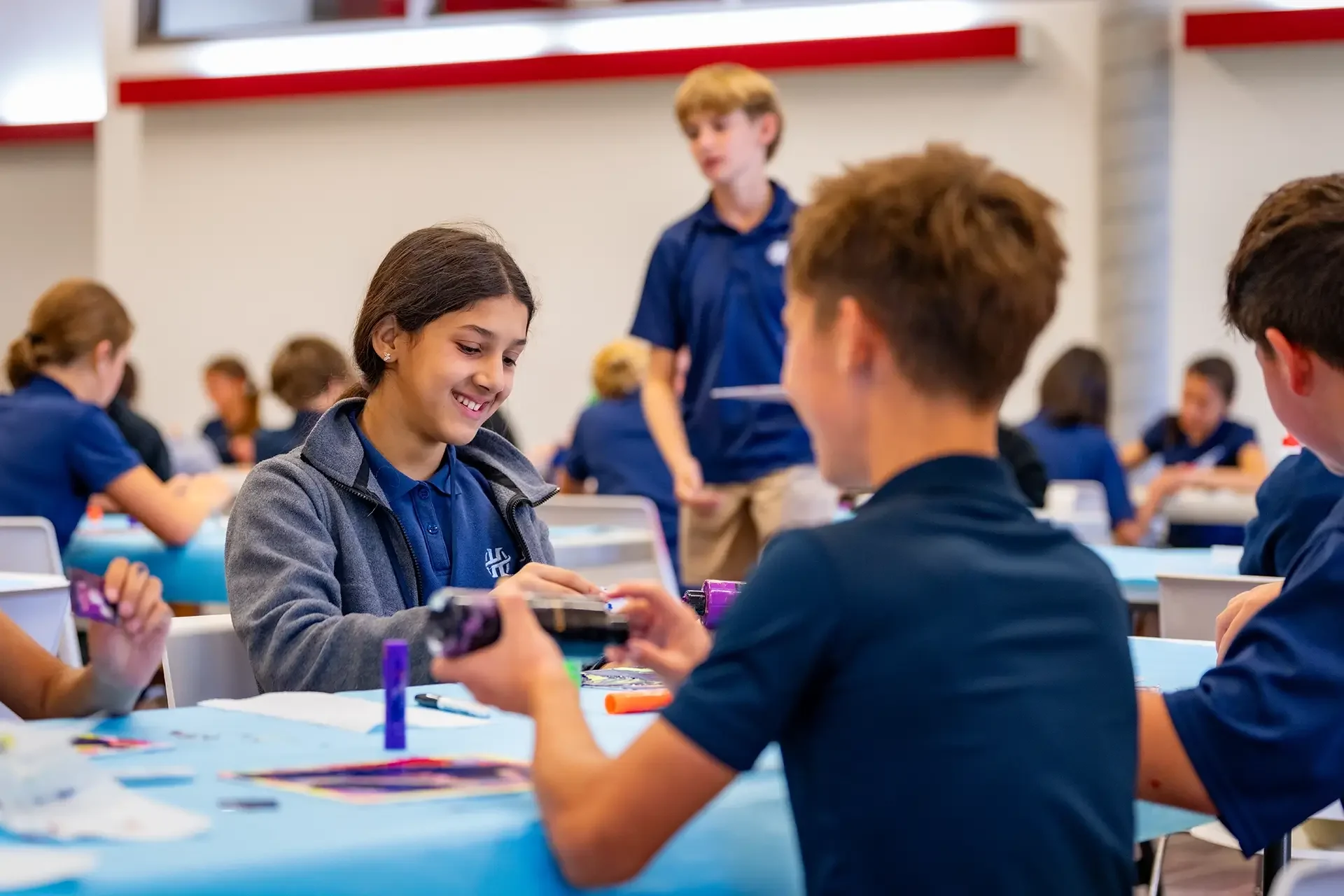
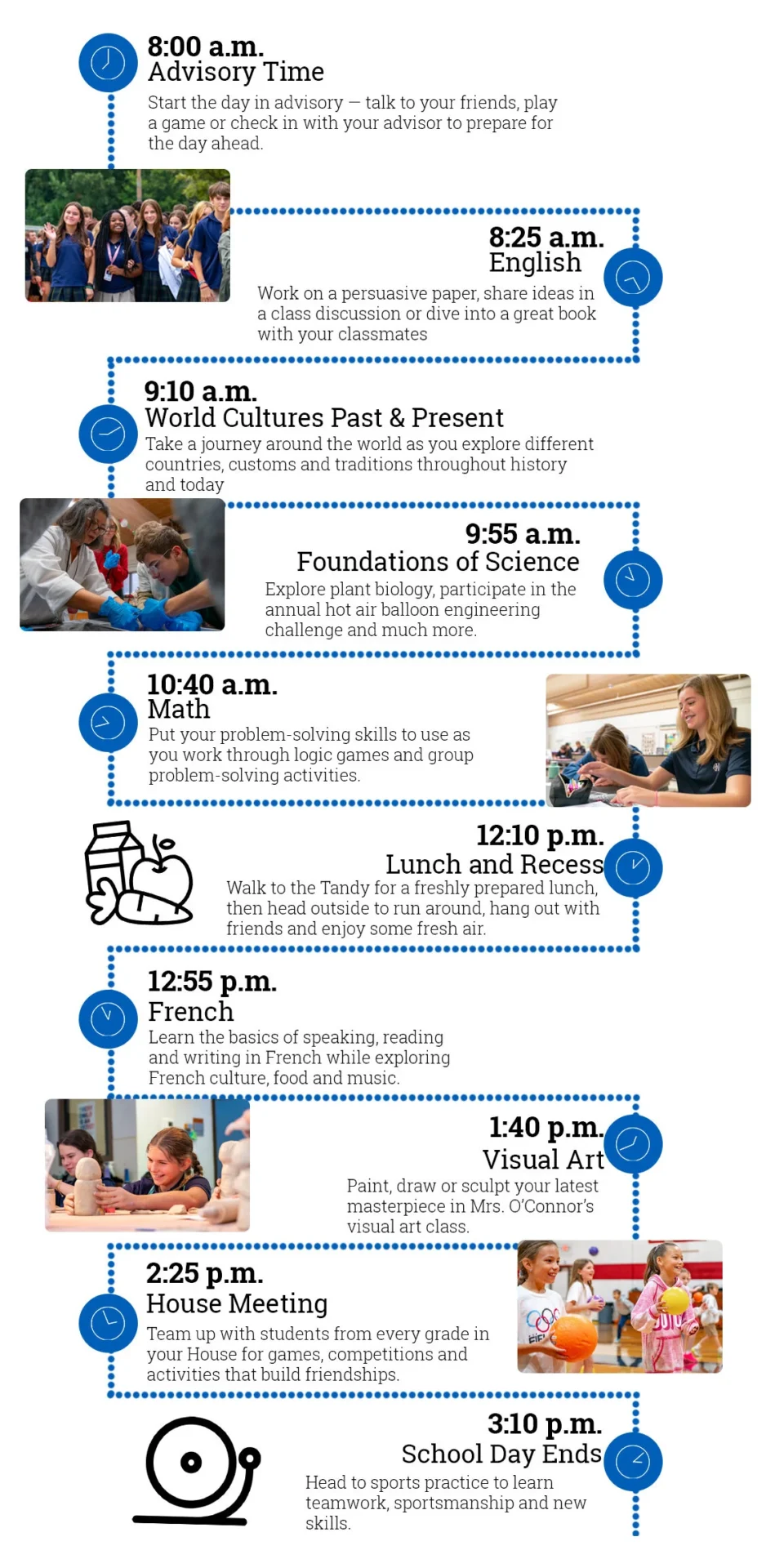
The Middle School day begins with Advisory, a time to check in with a faculty member and a small cohort of students. Academic blocks are broken up with recess, lunch, and arts and athletic classes. Beginning in 7th Grade, students may join a competitive athletic team or continue with PE. Both options occur at the end of the academic day.
Middle School Curriculum
This dedicated time ensures every student feels seen, heard, and empowered to contribute to a school culture built on safety, kindness, and excellence. The curriculum reinforces these values through team-building, “Family Dinners,” and a focus on habits from our Portrait of a Middle School Learner. Complementing this daily connection is the House System, which fosters vital cross-grade relationships by placing students in one of eight Houses—mixing 4th–8th grade students and faculty leaders.
Empowers students with four core competencies essential for lifelong success: Grammar & Vocabulary, Communication, Reading & Literacy, and Research. Our curriculum is designed to be both engaging and increasingly rigorous, building a strong foundation in reading, writing, speaking, and listening. Students will engage with a wide range of texts and express their ideas through various forms of communication.
Develop reasoning across core competencies: numerical, proportional, algebraic, spatial, statistical, and functional. Students explore mathematical relationships and make connections that deepen understanding. Activities help students retain essential skills, think critically, and apply solid reasoning when solving problems.
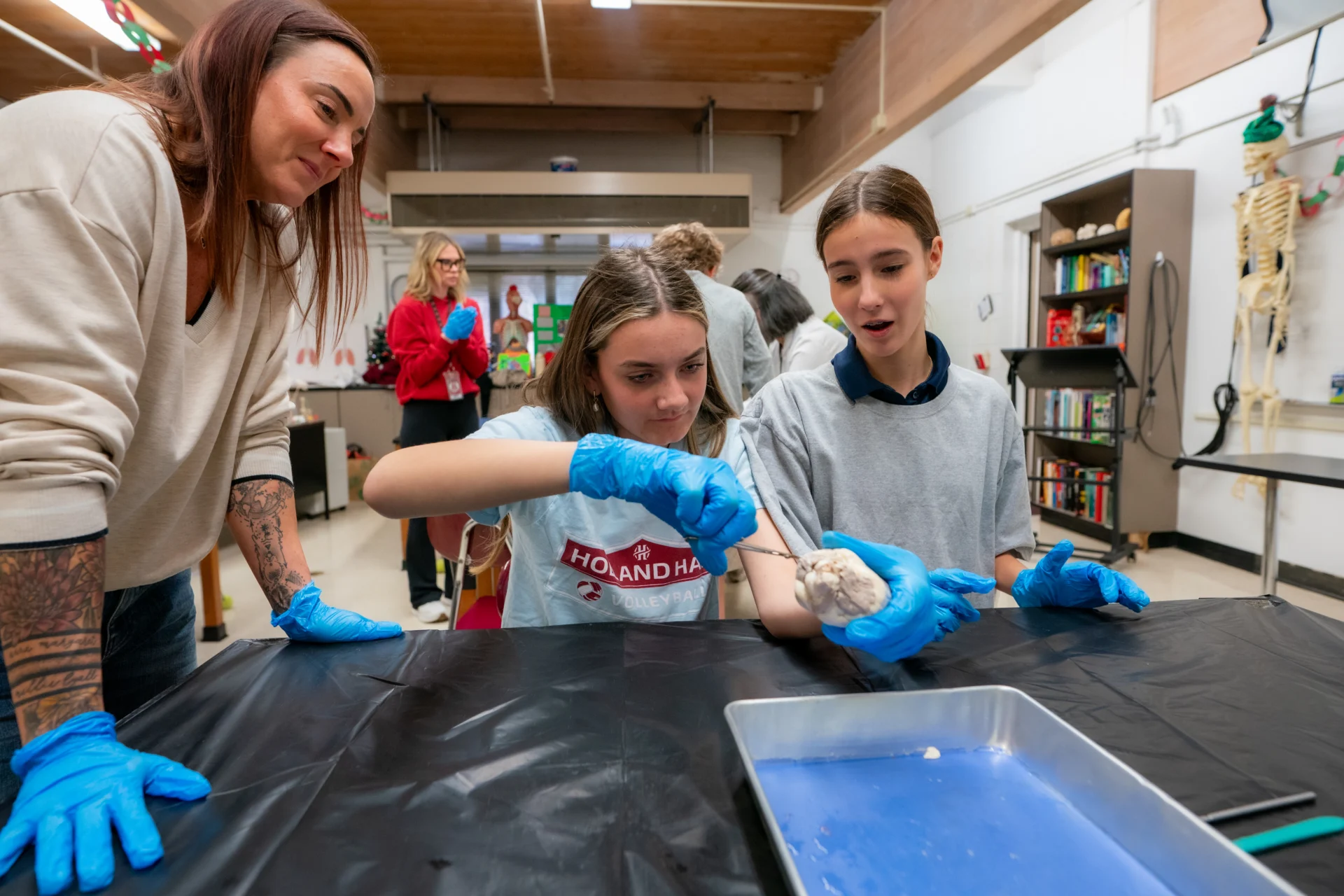
Builds a strong foundation in scientific literacy by developing six core competencies: Scientific Thinking, Observation, Modeling, Form & Function, Systems Thinking, and Design Thinking. Through hands-on experiments, inquiry-based investigations, and real-world applications, students learn to think like scientists—curious, collaborative, and grounded in evidence.
Grounded in five core competencies—Research, Cultural Understanding, Civic Understanding, Geographic Understanding, and Historical Reasoning—the curriculum builds from foundational geography and culture to complex civic and historical inquiry. Through discussions, hands-on projects, and a variety of primary and secondary sources, students gain the skills to analyze the past, understand the present, and imagine a better future for their communities and the world.
Introduces students to new cultures and ways of communicating. The curriculum builds five core competencies: Reading, Writing, Speaking, Listening, and Cultural Awareness. Through engaging, age-appropriate activities and authentic materials, students quickly begin to communicate in the target language while exploring global cultures.
Rooted in the Episcopal tradition, our program fosters empathy, curiosity, and respect for the many faith traditions around the world. All students participate in weekly Chapel services, which provide a reflective space for the entire community to explore major religious traditions, moral questions, and universal life lessons. The curriculum progresses from the Old Testament in grades 4 and 5, where students focus on foundational values like forgiveness and compassion, to the New Testament in grade 7, where they engage with themes of empathy and inclusion
A dynamic pathway for creative expression, skill-building, and self-discovery. Students build a foundation in Visual Art and Drama through hands-on activities that foster imagination, collaboration, and confidence. As they progress, students choose from a wider range of courses: Advanced Visual Art, Advanced Drama, C3: Code, Connect, Photography, 2D Art, and 3D Art.
A wide range of hands-on musical experiences that ignite creativity and collaboration. Students build skills in music theory, sight reading, and creative expression culminating in a elective direction in 6th grade to Band, Orchestra, and/or Choir
Nurture a lifelong love of reading, support academic inquiry, and equip students with the skills to navigate a complex world of information. Grow as researchers and critical thinkers through instruction in ethical information use, digital literacy, and an appreciation for diverse perspectives in literature.
Designed to inspire students to find joy in physical activity, build confidence through movement, and discover activities they can enjoy for a lifetime. The program fosters habits of lifelong fitness, teamwork, and personal growth. Starting in 7th grade the program is expanded to include: Football, Cross Country, Field Hockey, Volleyball, Basketball, Wrestling, Dance, Strength & Conditioning, Tennis, Track & Field, Baseball, Soccer, and Golf.
The wellness program follows a developmentally appropriate, whole-child approach that spans from Preschool through Senior year. By integrating social, emotional, and physical well-being into daily life, we empower students with the self-awareness and resilience needed to make healthy, informed choices in an ever-changing world.
Students engage with the rich history of Holland Hall by connecting with the legacy of their House namesakes, from Alexander to Walter. This course focuses on building cross-grade mentorship and school spirit through bi-monthly House meetings and community-building competitions.
Students explore a monthly focus on essential character habits, such as resilience and self-awareness. This curriculum bridges the gap between personal growth and academic success, helping students internalize the values of the Holland Hall Middle School learner.
Building on the foundation of kindness and care, this course organizes student-led service projects and team-building initiatives. It empowers students to take their internal Advisory values and apply them to the wider community, fostering a sense of social responsibility.
Dive into diverse worlds! Students explore captivating literature encompassing graphic novels, fantasy, history, and biographies, featuring targeted instruction in advanced vocabulary, including powerful Greek and Latin roots.
Select texts include: “Charlie Bumpers vs. The Teacher of the Year” by Bill Harley and “Abigail and the Snowman” by Roger Langridge
Students focus on great novels and compelling nonfiction, mastering how to read closely, make inferences. Writing workshops help every student find their unique voice to create powerful narratives, persuasive arguments, and insightful reports.
Course novels include: “Wonder” by R.J. Palacio and “The Lion, the Witch, and the Wardrobe” by C.S. Lewis.
Literature comes to life with realistic fiction, fantasy, history, and poetry. The course empowers every student to master creative, informative, persuasive writing styles, and confidence in speaking.
Select texts include: “Fish in a Tree” by Lynda Mullaly Hunt, and “The Giver” by Lois Lowry.
A discussion-rich environment where students build expressive writing skills by exploring diverse fiction and nonfiction that challenges perspectives. Instruction focuses on mastering strong narratives and persuasive arguments.
Select texts include: “The Outsiders” by S.E. Hinton and “Dreamland Burning” by Jennifer Latham.
Deepening critical thinking through a unique partnership with Social Studies, using powerful fiction and nonfiction to explore major historical events and themes.
Select texts include: “Ground Zero” by Alan Gratz, “When the World Was Ours” by Liz Kessler and “Grenade” by Alan Gratz
Students extend understanding of place value, investigate numerical relationships, build multi-digit computation skills, and explore fraction and geometry concepts through modeling, problem-solving, and hands-on activities.
Students master operations with whole numbers, investigate decimal relationships and decimal computation, develop proficiency with fraction concepts and fraction operations, and explore geometry through modeling, problem-solving, and hands-on activities.
Students deepen understanding of numerical relationships, compute with whole numbers, fractions and decimals, investigate ratios, percents, and proportions, and explore patterns, variables, and algebraic expressions.
In this accelerated course, students deepen understanding of numerical relationships, compute with fractions and decimals, investigate ratios, percents, and proportions, explore patterns and algebraic expressions, solve one-step equations, and begin integer operations.
In this first course of a flexible two-year pre-algebra sequence, students develop proficiency with rational number operations, begin integer operations, strengthen proportional thinking, reason with algebraic expressions, and solve one-step equations.
In this accelerated course, students complete the pre-algebra curriculum in one year as they master all rational number operations, solve multi-step equations, explore two-variable relationships, analyze slope, solve systems of equations, and apply the properties of exponents.
Extending concepts from Pre-Algebra A, students master all rational number operations, solve multi-step equations, explore two-variable relationships, analyze slope, solve systems of equations, and apply the properties of exponents.
Embark on the first formal course in algebraic thinking and symbol manipulation, exploring equations, inequalities, functions, and graphs in depth.
Develop foundational science skills through inquiry-based learning across life, earth, and physical sciences. Explore exciting units like building and erupting volcanoes, researching animal classification, incubating and raising chicks for the eBird program, and designing paper airplanes for a flight competition.
Strengthen scientific thinking and observation through engaging labs and projects in plant biology, physics, and chemistry. Investigate force and the properties of matter, applying knowledge by designing and building entries for the annual Engineering Fair and studying microscopic structures.
Explore big questions in neuroscience, engineering design, earth systems, and human biology through major projects like the hot-air balloon engineering challenge and a semester-long Genius Hour research project.
Explore the inner workings of life through cell biology, microbiology, and human anatomy. Examine how cells function, how microbes impact health, and how body systems work together to maintain balance.
A STEM-rich course combining real-world relevance with rigorous scientific inquiry focused on environmental systems and sustainability. Investigate topics like renewable energy, groundwater systems, and geologic cycles,
Take a thrilling tour of the United States, exploring how geography shapes daily life from landforms and climate to unique industries and traditions. The course builds early research skills and culminates in America Day, a vibrant celebration of growing understanding of this diverse nation.
Explore the rich geography, history, and vibrant cultures of Canada, Mexico, and all of Central and South America. Deepen civic thinking by analyzing how different governments function, fostering cultural respect and the skills of informed global citizens.
Travel through time and across continents to explore both ancient civilizations and modern global cultures, investigating the beliefs and innovations that shaped human history.
Centered on civic rights and responsibilities, this course guides students through the U.S. Constitution and the function of the three government branches. Examine historical and contemporary case studies.
Explore the global impact of democratic ideals through the lens of 20th and 21st-century conflicts, movements, and systems of government. Build analytical skills, synthesizing information to articulate informed positions on complex global issues.
Experience an exciting introduction to the sounds and rhythms of both Spanish and French to build foundational language awareness.
A more advanced course of studies in reading, writing, speaking, and listening of both Spanish and French
Explore the rich traditions, history, art, and geography of the Spanish- and French-speaking worlds to build foundational skills for future language study.
Practice using the present tense and exploring new tenses while deepening understanding of the diverse traditions and customs in Hispanic and Francophone countries.
Achieve a level of proficiency equivalent to high school language courses, earning a world language credit upon successful completion.
Explore the Old Testament through key stories and themes, unlocking foundational values and reflecting on the meaning behind biblical narratives. This course encourages connection between these ancient messages and daily life, all while nurturing a strong respect for others and diverse beliefs.
Examine the powerful roles and timeless messages of the Old Testament prophets. The curriculum emphasizes core virtues like justice, forgiveness, and compassion, encouraging students to apply these essential ideas to daily choices and relationships.
Engage with the New Testament, focusing on the powerful life and teachings of Jesus to explore how faith can guide action. Rooted in the Episcopal tradition, this course fosters spiritual growth and challenges students to live out their values like empathy, inclusion, and standing up for what is right within their communities.
Explore a vibrant variety of artistic techniques like drawing, painting, printmaking, and clay work.
Practice public speaking, develop empathy, and build awareness of self and others while learning basic elements of theatre and working collaboratively.
Build on foundational techniques and explore a wider range of 2D and 3D media, including drawing, painting, collage, sculpture, and pottery.
Build skills in coding, slide design, research sharing, data analysis, and source evaluation to master digital literacy and creative technology use.
Continue developing public speaking, creative thinking, and performance skills through improvisation, storytelling, and collaborative games.
Deepen technical and expressive skills through continued exploration of 2D and 3D media, including painting, drawing, sculpture, and pottery.
Explore the fundamentals of composition and visual storytelling using point-and-shoot digital cameras. Develop a basic understanding of image-making principles, focusing on capturing powerful visuals and preparing images for printing and presentation.
Refine communication, collaboration, and performance skills through daily activities in improvisation, design, and acting.
Focus on drawing as a tool for personal expression, using pencils, colored pencils, and markers to develop line, shading, and composition skills.
Explore the art of clay in this ceramics-based course through both hand-building techniques and an introduction to wheel throwing.
Refine the ability to communicate through continued work in public speaking, improvisation, production, and ensemble collaboration.
Engage in a wide range of musical experiences, including playing Orff instruments, recorders, and drums, along with singing, folk dancing, and creative movement.
Choose between Band, Orchestra, or Choir to serve as the foundation for musical development throughout Middle School. Students focus on instrumental or vocal technique, ensemble singing, and performance, participating in two formal concerts each semester and additional campus events.
Introduce essential library skills and begin building the foundations for independent research and strong reading identities. Learn how to navigate the library and locate resources using print and digital tools.
Deepen understanding of how books serve as "mirrors" and "windows," organizing findings into bibliographies and applying skills to content areas like mythology and Mesoamerican cultures.
Learn to evaluate digital and print sources for credibility and bias, cite accurately, and synthesize information for complex projects like Genius Hour and historical research.
Begin mastering basic movement skills, including locomotor movements, dribbling, catching, throwing, and striking.
Build on core skills by applying them in complex ways to foster teamwork and game strategy.
Expand opportunities through three athletic seasons, allowing students to choose competitive sports like Football, Basketball, or Track & Field or continue with physical education.
Explore the core pillars of empathy, diversity, and inclusion through small-group discussions and dedicated wellness lessons. Students develop the tools to build healthy relationships, solve problems collaboratively, and understand the value of different perspectives within the Holland Hall community.
Aimed at older Middle School students, this curriculum introduces deeper reflections on risk-taking and personal safety. Lessons expand into age-appropriate discussions regarding drug use, risky behaviors, and sexual wellness, ensuring students are equipped with facts and a strong ethical compass.
Moving beyond the traditional classroom, this "course" highlights how wellness is embedded into every subject, Chapel service, and Advisory meeting. Students are encouraged to develop strong faculty-student connections, learning to advocate for their own emotional and intellectual needs through organic mentorship and daily interactions.
Holland Hall is committed to supporting the whole child academically, socially, emotionally, and physically. Our Student Support services are designed to help students with varying strengths and challenges thrive in a college preparatory environment. We believe in partnering with students, families, and teachers to build academic confidence, independence, and success.
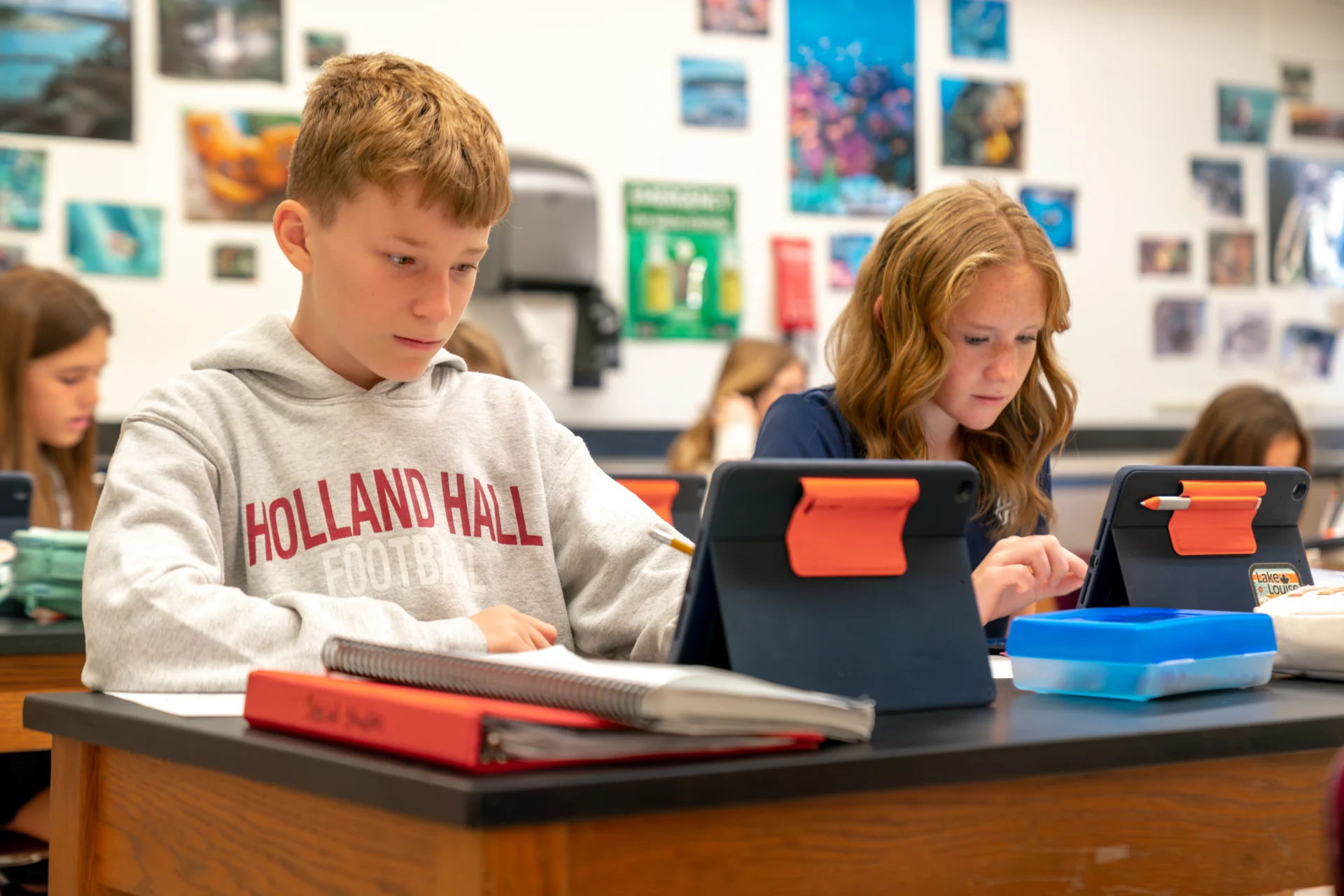
In the Middle School, two full-time Learning Support Specialists work closely with classroom teachers to provide a tiered system of support.
This includes:
- Whole-class instruction
- Small-group sessions
- One-on-one support
- Integrated coaching for executive functioning and academic strategies.
For students with documented learning needs, Holland Hall provides Learning Assistance Plans (LAPs) that outline specific classroom accommodations. These plans are developed in collaboration with families and reviewed regularly by advisors, teachers, and the Learning Support team to ensure consistent implementation.
Student Support Details
Tiered Academic Support
- Teacher Help Sessions – Students can seek extra help directly from their teachers before school (starting at 7:45 a.m.), during lunch or recess, during study hall, or after school.
- Learning Support Services – Learning Specialists provide targeted small-group or one-on-one instruction during class, study halls, or outside the regular school day.
- After-School Study Hall – On designated days, faculty and Learning Support Specialists supervise a structured study hall.
- Peer Tutoring – When appropriate, Upper School peer tutors may be matched with Middle School students for one-on-one or small group support during study halls or outside of school hours.
- Outside Tutoring – If a student requires more intensive, individualized instruction beyond what can be provided at school, the educational team may recommend a professional outside tutor in consultation with the family.
Licensed School Counselor – Available to support students’ social-emotional well-being, provide immediate care when needed, and partner with families by connecting them to outside resources.
Chaplain Services for Middle School – helping students to understand the consequences of their choices, helping them to develop a strong moral compass, and guide them as they lead of life of loving others with compassion.
Approach To Education
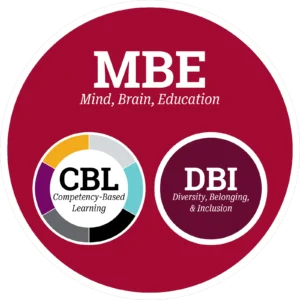
Holland Hall integrates three core frameworks:
Mind, Brain, Education (MBE) Science: We use the latest research on how the brain learns and adapts to inform our teaching methods.
Competency-Based Learning (CBL): We focus on the mastery of essential skills and knowledge, ensuring students develop a strong foundation for future success.
Diversity, Belonging, & Inclusion (DBI): True education begins with a culture of belonging; an active commitment inherent in our Episcopal foundation. By integrating these values into our curriculum and teaching methods, we ensure every student is seen, valued, and empowered to bring their full identity to the learning experience. Across all aspects of school life, we strive to challenge bias and prepare students to lead with integrity, courage, and radical empathy.
Our competency-based approach is at the heart of our mission to foster intellectual curiosity and a lifelong love of learning. Rather than simply memorizing facts, students focus on gaining a deep understanding of essential skills. By focusing on demonstrable competencies, students develop vital transferable skills like critical thinking, problem-solving, and effective communication. This rigorous coursework prepares your child to thrive in college and contribute meaningfully to the world.
These three frameworks work together to create an inclusive and dynamic school experience. By understanding the brain's capacity for change (MBE), we can design a learning environment with clear outcomes (CBL) that supports the diverse strengths of every student (DBI).
Middle school memories, whether bright or challenging, are always intense. At Holland Hall, we embrace that intensity, celebrating the wonder of growth and the chance to shape students as they become young adults.
Middle schoolers are naturally energetic, curious, and willing to take risks. These years bring remarkable growth: physically, cognitively, socially, emotionally, morally, and spiritually. The transformations can be challenging, but they also offer extraordinary opportunities for educators and parents to guide and inspire.
At Holland Hall, building strong relationships with each student is our highest priority. Across academics, athletics, and the arts, students thrive when they feel valued, known, and connected. The support and encouragement they experience here foster confidence, safety, and joy, leaving lasting memories of a community that lifts them up and helps them reach their full potential.
Jennifer Whisenhunt White ’89
Middle School Head
Holland Hall News
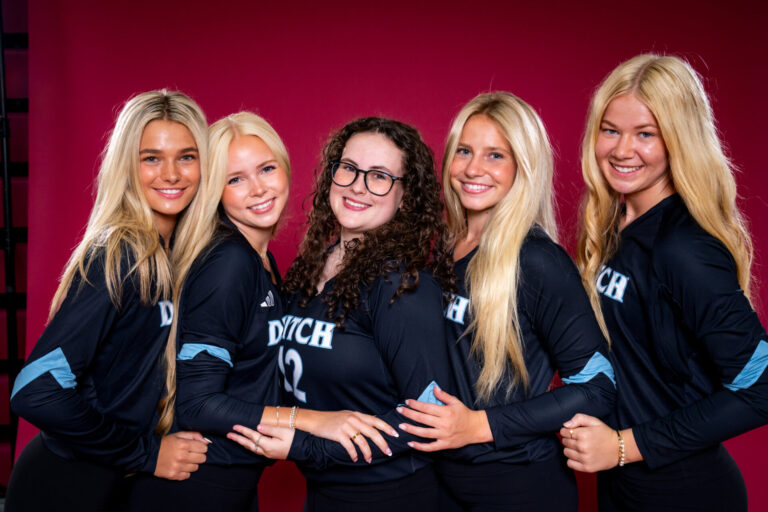
One last run: Holland Hall returns to state with core group of five seniors
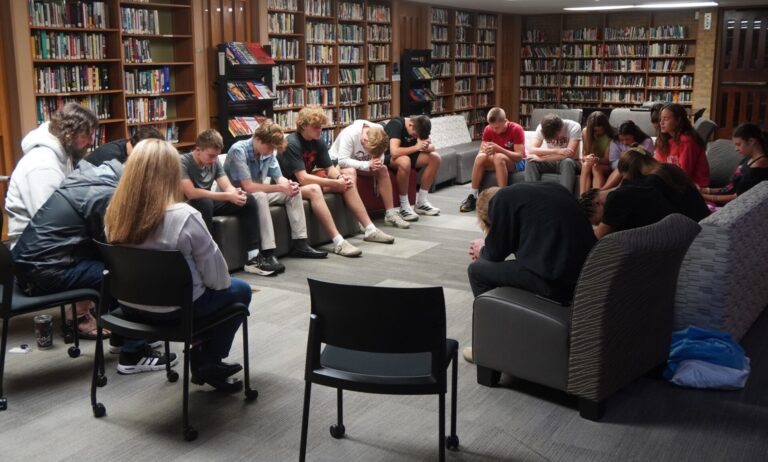
Club spotlight: FCA gives students place to talk faith, more
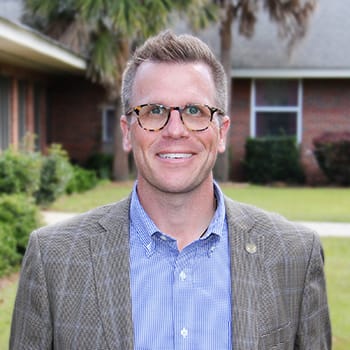
Holland Hall announces new Head of School

Field Day: And the T-shirt design winner is... Order yours today
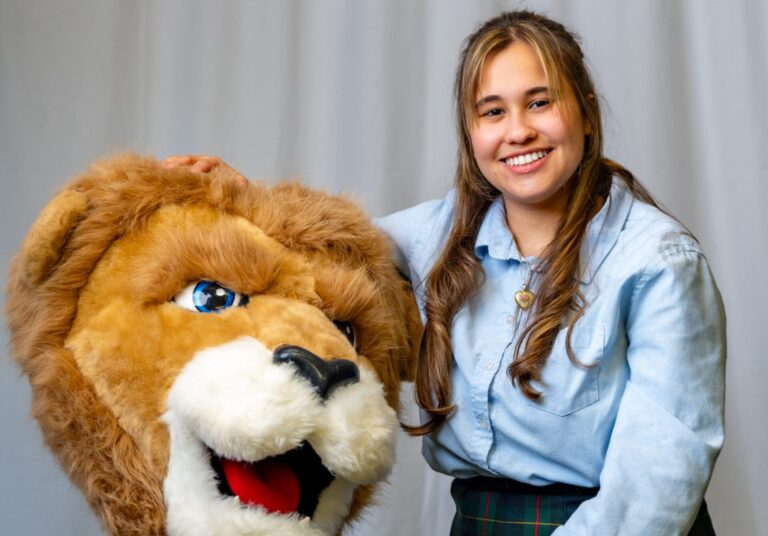
The making of a mascot